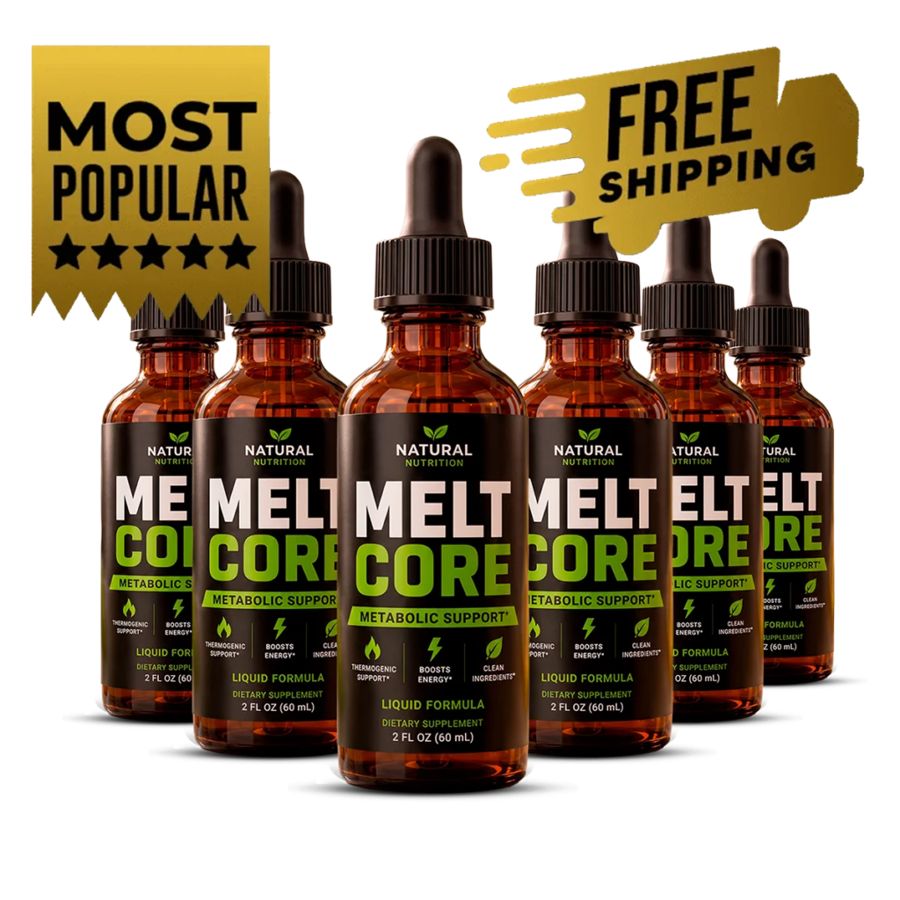
MeltCore Ingredients, Doses And Cautions
Six ingredients are featured. None have a published amount. Here is what we know about each.
1. African Mango
Seed extract · Irvingia gabonensis
A seed extract from a West African tree. A few small studies have looked at body weight and waist size, but they are limited in size and quality, so claims should stay modest.
Amount per serving: not published.
2. Green Tea Extract
Botanical · catechins + caffeine
Rich in catechins and naturally contains caffeine. The NIH notes that drinking green tea is safe, while green tea extract pills have been linked to liver damage in some people.
Amount per serving: not published.
3. Guarana
Botanical · caffeine source
A seed from the Amazon region that is naturally high in caffeine. It counts toward your daily caffeine total and can cause jitters, trouble sleeping or a fast heartbeat in sensitive people.
Amount per serving: not published.
4. Raspberry Ketones
Compound · red raspberry aroma
The compound behind the aroma of red raspberries. The idea that it helps the body use fat comes mainly from lab and animal studies, with little human evidence.
Amount per serving: not published.
5. L-Carnitine
Amino acid derivative
Your body makes it to help move fatty acids into cells for energy. Supplement studies for weight are limited, and it can cause stomach upset in some people.
Amount per serving: not published.
6. Grape Seed Extract
Antioxidant · polyphenols
A polyphenol-rich extract often sold for circulation and general wellness. Evidence for weight or metabolism is limited, and it may interact with blood thinners.
Amount per serving: not published.
Also mentioned in the seller’s FAQ
The seller’s FAQ also refers to Capsicum, Chromium, Gymnema, Maca and Ginseng. We cannot confirm these are in the bottle, because no Supplement Facts panel was available. If they are: Capsicum (chili) can irritate the stomach; Chromium and Gymnema are often discussed in connection with blood sugar; Ginseng can interact with some medicines, including blood thinners and diabetes drugs.
Why the missing amounts matter
Without amounts you cannot compare against the doses used in research, or judge how much caffeine you are getting. See reading liquid supplement labels.
Who should talk to a doctor first
Anyone under 18, pregnant or nursing, with a heart condition, high blood pressure, diabetes or prediabetes, a liver condition, anxiety or sleep problems, or who takes prescription medication, blood thinners or other stimulants. The seller itself advises showing the label to a doctor in these cases.
The evidence in one line
The NIH weight-loss fact sheet covers African mango, chromium, green tea and raspberry ketones and concludes there is little scientific evidence that weight-loss supplements work.